How to Clean a Painted Wall Without Ruining the Finish (From Pro Painters)
Short answer: yes, you can clean painted walls. Longer answer: it depends what’s on the wall, and I don’t mean the dirt. I mean the paint. Flat, eggshell, satin all react differently to a wet rag, and the wrong combination is how a scuff turns into a whole-room repaint. I’ve lost count of the interior jobs we’ve quoted around Seattle that started with “I was just trying to clean one spot.”

How to clean a painted wall in 4 steps
- Dust it first. Dry microfiber, top to bottom. Skip this and you’re smearing dust into mud.
- Then plain warm water. Damp cloth, wrung out until it barely drips, one direction. Honestly this handles most of what people call “dirty walls.”
- Then a drop of dish soap. A squirt in warm water. Wipe, then go back over it with a clean damp cloth or the soap film will grab more dust later.
- Then, only if you have to, a mild degreaser. Diluted, and tested behind a door first.
Dry it with a towel. Dry, water, soap, degreaser. Each step is riskier than the last, so you stop the second the mark’s gone. Not “one more pass to be sure.” That pass is where the trouble starts.
Cleaning method by paint finish
| Finish | Washable? | Best method | Avoid |
|---|---|---|---|
| Flat / matte | Barely | Dry microfiber, then dab with a damp cloth. No rubbing. | Scrubbing, Magic Erasers, abrasives, all-purpose sprays |
| Eggshell | Lightly | Damp microfiber, mild dish soap, light circles | Scrub pads, heavy pressure, degreasers |
| Satin | Yes | Warm water and dish soap, soft sponge, rinse and dry | Abrasive pads, undiluted cleaners |
| Semi-gloss | Easily | Soap and water, diluted degreaser for grease | Steel wool, scouring powder |
| Gloss | Very | Soap and water, degreaser for grease, buff dry | Anything gritty |
Don’t know which one you’ve got? Stand to the side of the wall in daylight. No shine at all, that’s flat. A little glow, eggshell or satin. Actual shine, semi-gloss or gloss.
How to clean flat painted walls
There’s barely any binder holding the surface together. It’s soft and chalky and swallows light, which is why it hides a lumpy drywall patch better than anything. But soft and chalky also means it can’t take friction. Rub it, even with a nice cloth, and you’re polishing it. Painters call that burnishing, and you get a shiny patch that shows up every time the afternoon light comes through.
I stood in a Kirkland hallway a couple years back with a guy who’d cleaned one kid handprint off a flat wall. Handprint was gone. In its place was a glossy oval the size of a dinner plate, visible from the front door. We repainted the hallway.
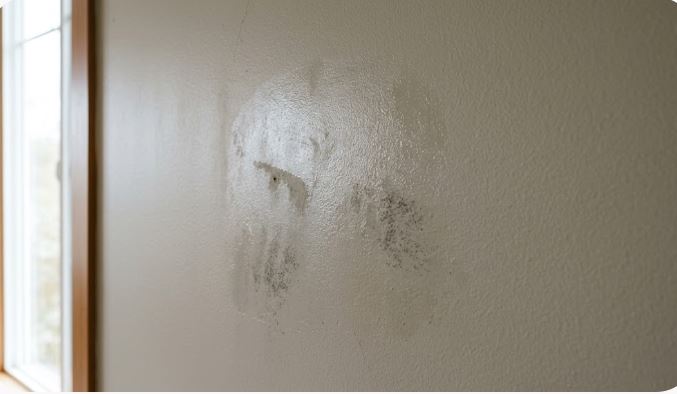
So on flat: dust it often, dab marks with a barely damp cloth, and if dabbing doesn’t lift it, you’re done. Not done with a stronger cleaner. Done. Go find the leftover paint can and touch it up.
Eggshell, satin, semi-gloss, and gloss
Eggshell is what’s on most walls in Seattle-area houses, and it’ll take a damp cloth and a bit of soap with light pressure. If you catch yourself leaning into it, that mark isn’t coming off by cleaning.
Satin is meant for hallways, kids’ rooms, and bathrooms; soap and water with a soft sponge gets almost anything off it.
Semi-gloss and gloss are hard enough that grease sits on top. Soap and water or a tested degreaser, wipe one direction, buff dry or you’ll get streaks.
Products and tools that damage paint
- Magic Erasers. The one I argue about most, usually because there’s one under the sink and it’s worked great on everything else. A Magic Eraser isn’t a sponge. It’s melamine foam, which is a very fine abrasive, and it cleans by sanding off whatever’s on the surface. On gloss trim, fine. On flat or eggshell walls it sands the paint. We’ve walked into houses with bare spots at every single light switch after somebody spent a Saturday “cleaning.”
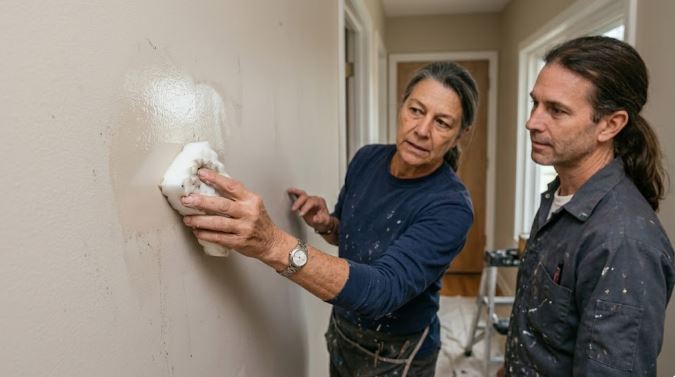
2. Harsh all-purpose sprays. A lot of them have solvents that soften latex. If the rag comes back tinted your wall color, that’s not dirt.
3. Straight bleach, green scrub pads, steel wool, scouring powder. Bleach discolors. The rest scratch, and yes, even gloss.
4. Too much water. It runs down behind the baseboard and into the outlet boxes. Damp rag, not a wet one.
How to remove mildew from painted walls
If you live around here you already know this one. Bathrooms with a tired fan, closets on an exterior wall, a bedroom where the window doesn’t open from November to April. Black or green speckles up in the corner and along the ceiling line.
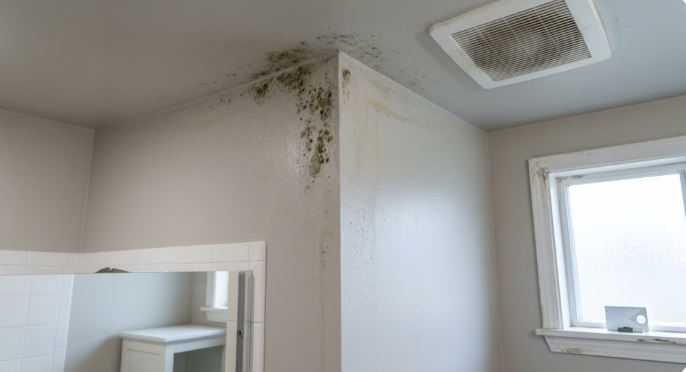
- Open a window, run the fan, put gloves on.
- Don’t brush it dry. You’ll just spread spores around the room. Start damp.
- Mix something mild. The CDC says no more than a cup of bleach per gallon of water, and never mixed with anything else. Plain white vinegar works too and is easier on the paint.
- Dab it on, give it five or ten minutes, wipe gently.
- Rinse, then dry the wall all the way. Mildew comes right back to a damp wall.
If it’s fuzzy, bigger than a few square feet, or the drywall feels soft, stop. The EPA’s advice is to fix the moisture first, and I agree, because painting a wet wall just schedules the next mildew. Also, cleaning kills it but doesn’t always take the shadow with it. Prevention is where the money is: fan on twenty minutes after every shower, furniture off exterior walls, and when the bathroom gets repainted, mildew-resistant paint in satin or semi-gloss so you can actually wipe it next time.
When cleaning won’t fix it: time to repaint
Some stuff on a wall isn’t dirt and no bottle from the store is going to move it.
- Nicotine or smoke staining. It’s in the paint film. Wash it, it lightens, then it bleeds right back.
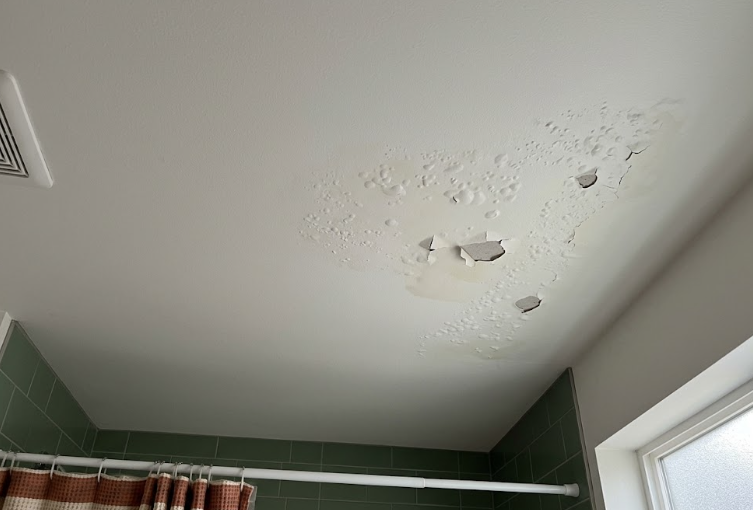
- Water stains. That’s soaked into the drywall paper. Cleaning just smears it.
- Chalking. Rag comes back powdery in the wall color. The paint has broken down.
- Burnish marks and bare spots. No cleaning back from those.
- Mildew that keeps returning. Either the paint’s lost its resistance or there’s water behind the wall.
All of these want a stain-blocking primer and a repaint. If your walls are stained, chalky, or past saving with a rag, that’s us. Happy Heart Painters does interior painting across Seattle, Bellevue, Kirkland, Redmond, Bothell, Kenmore, Issaquah, Woodinville, Edmonds, and Everett, with a 7-year workmanship warranty and free lifetime touch-ups, which exist precisely for the day someone leans a bike against the hallway.
Frequently asked questions
Can you wash flat paint walls?
Only by dabbing with a barely damp cloth and plain water. Rubbing polishes the surface into permanent shiny patches, so if dabbing doesn’t lift it, touch up with matching paint.
Does a Magic Eraser damage paint?
Yes, on most walls. It’s a fine abrasive that sands the paint, so on flat, matte, and eggshell you get dull or shiny patches and eventually bare spots.
How do you clean walls without removing paint?
Go gentlest to strongest (dry dust, damp cloth, a drop of dish soap, then a diluted degreaser for grease only) and quit the moment the mark is gone. Spot-test anything past water and leave the scrub pads and melamine sponges in the drawer.
What is the best cleaner for painted walls?
Warm water, then a little dish soap in warm water. It’s mild, rinses clean, and won’t soften latex paint.
How do you get mildew off painted walls?
Dab on diluted bleach (no more than a cup per gallon of water) or plain white vinegar, wait five to ten minutes, wipe gently, rinse, and dry the wall completely. If it comes back fast or covers a big area, there’s a moisture problem behind the wall to fix before repainting with a mildew-resistant finish.